
 By
By 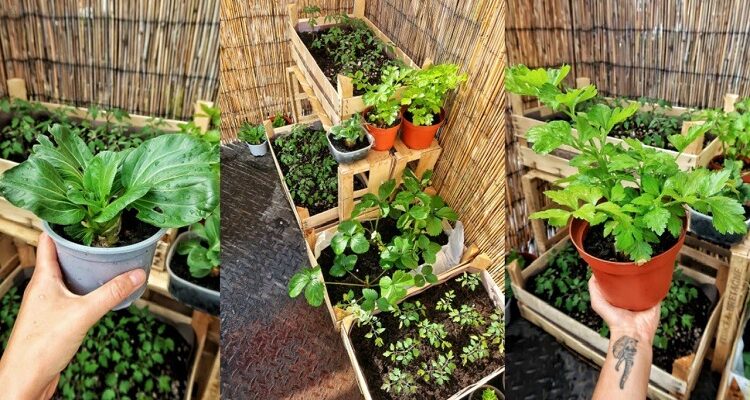
It’s easy to go down the list of reasons why anyone should start a garden. From cultivating a green thumb to providing your own sources of food, gardening is both empowering and educational. Unfortunately, there’s one main reason why many people don’t start a garden: lack of space. Even when you’re living in a small apartment, consider some of the many ways you can start a bountiful garden.
1. Consider the Season
If you plan on using a balcony to cultivate a garden, the outdoor elements play a major role in your success. Consider the season you’re planting for. If you’re looking to experience a harvest in May, consider which vegetables are abundant in May. Asparagus, radishes, and arugula are perfect vegetables to consider for a spring harvest. If you’re planting indoors, green leafy vegetables like lettuce, spinach, and swiss chard work well in controlled environments.
2. Use Containers, Ledges, Balconies, and Rooftops
When you’re growing vegetables in an apartment, containers are great because they keep your produce organized. The balconies, window sills, and ledges offer access to sunlight. As you decide which plants go in certain spaces, consider how much direct sunlight they’ll need to flourish. If you have access to the rooftop, you could turn your space into a rooftop garden.
3. Think Vertically
Look upward when you’re trying to build an apartment garden. Vertical gardening allows you to maximize height instead of width. Think about gardening in different rooms. If you have a dining room and a kitchen, use the ceilings to install hanging baskets. Grow herbs in a hanging basket in the kitchen. Herbs grow quickly, and the kitchen is perfect for accessibility when you’re cooking. Don’t be afraid to repurpose a bookshelf, a floating shelf, or a shoe organizer to hold multiple pots of vegetables. As you consider vertical gardening, don’t forget to plant near direct sunlight. Consider hiring a designer to help you strategize and maximize your vertical space.
4. Use Grow Lights
If your apartment doesn’t have a lot of access to direct sunlight, hope isn’t lost. You’ll need to purchase grow lights. Most vegetables require some sort of lighting to fully mature. Even if you do have direct sunlight in your apartment, winter gardening is ideal under grow lights so that by the spring months, your harvest will be bountiful. If you rely on gardening as a legitimate food source, year-round gardening is most hospitable in an apartment with grow lights. Look for energy-efficient options since they’ll be in use often.
5. Get Strategic with Soil and Watering Processes
Even if you’re really busy with work, children, and other activities, your plants don’t need to suffer. Use timed watering systems to make sure your soil gets consistently watered. To reduce your carbon footprint and enrich the soil, consider composting. Start by composting items like citrus peels, kale ribs, and other parts of the produce you’d typically throw away. Avoid items that potentially carry an odor (old meat, dairy products).
If you look at a beautifully cultivated garden, there’s usually strategy and creativity involved. When you’re starting an apartment garden, get creative about the ways you map out your strategy. You’d be surprised by how much you can learn and grow within a few small square feet.
Comments