
 By
By 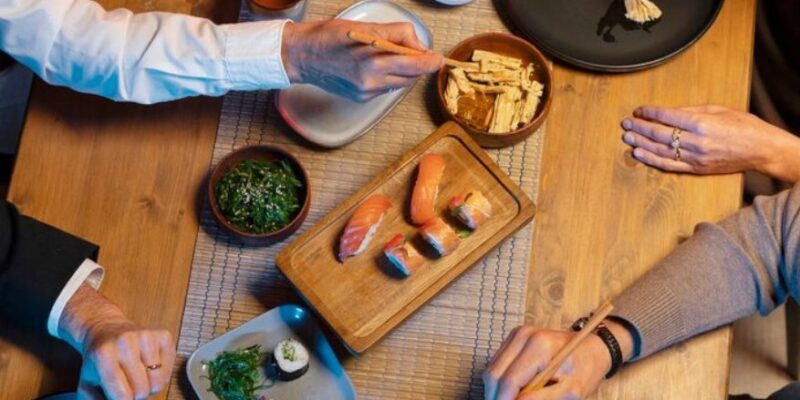
Some evenings call for a few bites of sushi. Other nights, you want grilled seafood, a warm bowl of noodles, or several small plates to share. Japanese food offers plenty of ways to build a meal around your mood.
Finding the right Japanese restaurant in St. Petersburg starts with knowing what kind of evening you want. A quick noodle dinner feels different from a slow meal with friends or a date night downtown.
This guide explains common dishes, what to look for on a menu, and how to choose a setting that suits your plans. If you enjoy Japanese flavors with a modern approach, FORTU is one downtown option to explore.
What Should You Look for in a Japanese Restaurant?
Start with the menu. Does it offer the dishes you actually want, or are you choosing based only on photos of the dining room?
Some restaurants focus on sushi and sashimi. Others specialize in noodles, grilled dishes, or a broader mix of Japanese-inspired food. A restaurant does not need to serve every category to offer a satisfying meal.
Before making a reservation, consider:
- Menu variety: Are there appealing choices for everyone at the table?
- Price: Will you order individual meals or several shared plates?
- Service: Can the team explain ingredients and portion sizes?
- Atmosphere: Does the setting suit a casual dinner or a special occasion?
- Dietary needs: Can the restaurant discuss allergies and preparation methods?
Recent reviews can help you spot patterns in service and consistency. Still, use the current menu and direct answers from the restaurant to confirm the details that matter to your visit.
What Should You Order on Your First Visit?
You do not need to know every Japanese food term before sitting down. Start with ingredients you already enjoy, then add something new if you feel curious.
Depending on the restaurant, approachable choices may include:
- Vegetable rolls or rolls with clearly identified cooked seafood.
- Gyoza, which are filled dumplings often served pan-fried.
- Tempura vegetables or seafood in a light batter.
- Grilled fish, chicken, or beef dishes.
- Rice bowls with familiar toppings.
- A noodle dish with a broth or sauce that appeals to you.
Tell your server what you like. “I prefer cooked seafood and mild flavors” gives them more useful information than asking for the best item on the menu.
These are general examples, not dishes you should expect at every restaurant. Check the menu before arriving with a particular order in mind.
What Is the Difference Between Sushi, Sashimi, and Nigiri?
These terms are often grouped together, but they describe different things.
Sushi is built around seasoned rice. It may include raw fish, cooked seafood, vegetables, or other ingredients. Sushi does not automatically mean raw fish.
Sashimi usually refers to slices of raw fish or seafood served without sushi rice.
Nigiri is a type of sushi made with a small portion of rice and a topping. That topping may be raw, cooked, or seared.
If you prefer fully cooked food, ask about the whole dish, including its toppings. A lightly seared piece of fish may still be raw inside.
How Are Ramen, Udon, and Soba Different?
Japanese noodles come in different textures and preparations. The noodle type is only part of the experience; broth, toppings, and sauces matter too.
| Noodle | What it is | Common ways it is served |
|---|---|---|
| Ramen | Wheat noodles with a springy texture | In broth with toppings such as vegetables, egg, or meat |
| Udon | Thick wheat noodles with a chewy texture | In soup, chilled with dipping sauce, or stir-fried |
| Soba | Noodles made with buckwheat, often blended with wheat | Hot in broth or cold with dipping sauce |
Ramen broth is not always heavy, and soba is not automatically a light meal. The preparation and portion size make a difference.
If you avoid gluten, do not assume soba is suitable simply because it contains buckwheat. Ask about the noodles, broth, sauces, and preparation.
Is Japanese Dining Mainly About Raw Fish?
Not at all. Japanese cuisine includes grilled foods, rice dishes, vegetables, noodles, soups, and fried dishes.
This makes it possible to plan a meal for people with different preferences. One guest might choose nigiri while another prefers cooked fish or a vegetable dish.
The key is checking the specific restaurant’s selection. A sushi-focused menu may differ greatly from a Japanese-inspired restaurant built around shared plates and larger cooked dishes.
What Makes a Meal Feel Well Prepared?
Good dining involves more than attractive plating. Temperature, texture, seasoning, and timing all affect the experience.
You might notice rice that holds together without feeling hard, fried food that arrives crisp, or a sauce that complements the main ingredient.
Those details help you judge enjoyment and execution. They do not prove food safety. Fish color, shine, or smell alone cannot confirm that it has been handled safely.
Ask questions when you are unsure about an ingredient or preparation. A clear explanation is more useful than guessing from how a dish looks.
What Can You Expect at FORTU?
FORTU describes its approach as Japanese-inspired dining with modern Asian and global influences. Its downtown St. Petersburg setting and shared-plate format make it an option for guests who want to explore several dishes over dinner. forturestaurants.com
The published menu includes selections such as hamachi, signature nigiri, cucumber salad, grilled octopus, and miso black cod. These provide different starting points for guests interested in chilled dishes, cooked seafood, or a mix of both. Fortu in St. Petersburg, FL
Menu selections can change, so review the current offerings before your visit. If you want ramen, udon, or a particular sushi roll, check availability rather than assuming it is offered.
FORTU is located at 97 Central Avenue. You can review its current menu and reservation options on the restaurant’s website. forturestaurants.com
How Should You Order for a Group?
Shared dishes can make dinner feel relaxed, but a little planning helps.
Start by checking allergies and food preferences. Then ask your server how many portions each dish provides and whether it is intended as a starter or a larger plate.
A simple approach is to:
- Choose one dish most people already enjoy.
- Add something with a different flavor or texture.
- Include a cooked option if some guests avoid raw seafood.
- Check whether rice or other sides are included.
- Order more as needed instead of guessing too much at the start.
For families, confirm portions, seating, and suitable dishes in advance. Do not assume every Japanese restaurant has a children’s menu.
How Much Does Atmosphere Matter?
Quite a bit. The same meal can feel different depending on the room, noise level, and pace of service.
For date night, you may prefer a setting where you can settle in and talk. A group celebration may call for more energy and enough table space to share dishes comfortably.
Ask about seating if noise or accessibility is a concern. For a larger party, confirm booking requirements and any group dining arrangements.
At FORTU, the restaurant’s described intimate setting and shareable menu may suit an evening when dinner is the main event. forturestaurants.com
Simple Tips for a More Enjoyable Visit
A few small choices can make ordering easier:
- Read the current menu before you arrive.
- Tell your server about allergies before ordering.
- Ask how spicy a dish is if the description is unclear.
- Choose one familiar item and one new dish.
- Ask for utensils you are comfortable using.
- Allow extra time if you plan to share several courses.
You do not need to turn dinner into a lesson. A little curiosity is enough.
Find a Restaurant That Fits Your Evening
The right Japanese restaurant in St. Petersburg depends on what you want to eat and how you want to spend your time.
Start with the food, check the practical details, and choose an atmosphere that suits your group. For Japanese-inspired dishes in a downtown setting, explore FORTU’s current menu and plan a meal around the flavors that appeal to you.
This post was written by a professional at Fortu. Fortu stands out among the top Restaurants St Petersburg FL, offering an elevated Pan-Asian dining experience in the heart of St. Petersburg, Florida. Celebrating Asia’s vibrant and diverse culture, Fortu introduces bright and bold flavors to a bright and bold city with a menu of locally and sustainably sourced options, from small bites to hearty delicacies. Whether winding down from a beach day or celebrating a special occasion, guests can enjoy a lush, alluring atmosphere and an authentic taste of Asia’s divine cuisine at one of the finest Pan-Asian Restaurant In Downtown St Petersburg FL.

Comments