
 By
By 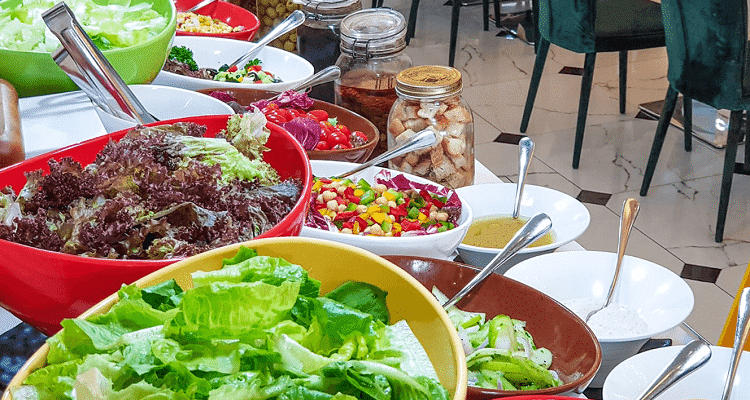
Halal mini buffet options have emerged as a profound social equaliser in Singapore’s complex culinary landscape, offering Muslim communities and their diverse guests an inclusive dining experience that refuses to sacrifice quality for religious observance. This evolution represents far more than a mere business adaptation—it embodies Singapore’s broader commitment to social harmony through respectful accommodation of difference. As one walks through neighbourhoods from Geylang Serai to Bukit Timah, the proliferation of these thoughtfully curated small-scale affairs speaks to a society navigating the delicate balance between tradition and innovation, between religious adherence and cosmopolitan sensibilities.
The Historical Context: From Marginalisation to Mainstreaming
The journey of halal dining in Singapore carries echoes of the Muslim community’s own evolution within the nation’s social fabric. What began as segregated, often overlooked options has transformed into a celebrated culinary tradition that draws participation from across ethnic and religious boundaries.
In the early post-independence years, halal catering existed primarily as functional necessity rather than culinary experience. Muslim guests at mixed gatherings frequently encountered limited choices, often relegated to separate tables with visibly different offerings. This physical separation at communal events subtly reinforced social divisions that contradicted Singapore’s multicultural aspirations.
“The transformation of halal catering from accommodation to celebration represents one of Singapore’s quiet social achievements—a shift from tolerance to genuine embrace of diversity through shared culinary experiences.” – Singapore Interfaith Dialogue Council
The Aesthetic Revolution: Small-Scale Sophistication
Today’s halal mini buffets reject the false dichotomy between religious observance and culinary sophistication. The contemporary presentation includes:
· Architectural food displays that maximise visual impact in limited spaces
· Heritage-inspired serving vessels that honour Malay, Indonesian, and Middle Eastern traditions
· Calligraphy and geometric patterns that incorporate Islamic artistic traditions
· Colour palettes that reflect Singapore’s unique Nusantara heritage
· Sustainable materials that align with growing environmental consciousness
These thoughtful presentations transform the mini buffet from mere convenience into cultural statement—a declaration that halal dining deserves the same attention to detail and aesthetic consideration as any other premium culinary experience.
The Culinary Innovation: Beyond Traditional Boundaries
Perhaps most remarkable has been the culinary evolution that has expanded halal mini buffet offerings beyond traditional Malay and Middle Eastern cuisines. Contemporary options now include:
· Halal-certified versions of Chinese classics like dim sum and Peking duck
· Japanese-inspired stations featuring sushi and teppanyaki
· Western selections from Mediterranean to contemporary European
· Fusion creations that bridge culinary traditions
· Modernist techniques applied to traditional recipes
This culinary expansion reflects Singapore’s unique position as a crossroads of cultures where religious adherence need not limit gastronomic exploration. The halal mini buffet has become a canvas for cultural synthesis rather than religious restriction.
The Logistical Mastery: Excellence in Constraint
The “mini” aspect of these buffets represents not limitation but intentional focus. Operating within spatial and quantity constraints has driven remarkable innovation:
· Precise portion control that minimises waste while maintaining abundance
· Temperature-management solutions designed specifically for small-scale service
· Just-in-time preparation techniques that preserve freshness
· Modular serving systems that adapt to varied venue requirements
· Staff training focused on attentiveness within intimate settings
“The hallmark of Singapore’s approach to halal mini buffets is that the constraints become virtues—smaller scale allows for greater attention to detail, more personal service, and ultimately a more meaningful dining experience.” – Singapore Halal Culinary Academy
The Economic Ecosystem: Community Empowerment
The rise of halal mini buffets has created economic opportunities throughout Singapore’s Muslim community, from small-scale suppliers to specialised caterers. This ecosystem includes:
· Micro-producers of traditional ingredients and specialties
· Family-owned catering operations with generational knowledge
· Halal certification consultants guiding mainstream businesses
· Specialised equipment suppliers focusing on small-scale solutions
· Training programmes developing the next generation of culinary talent
This economic network exemplifies Singapore’s approach to community development—creating opportunities within cultural contexts rather than forcing assimilation into dominant systems.
The Social Impact: Building Bridges Through Shared Experience
Perhaps the most significant contribution of halal mini buffets lies in their role as cultural ambassadors. These intimate gatherings create spaces where non-Muslim Singaporeans engage with Islamic dietary traditions not as restriction but as cultural experience.
Corporate events, neighbourhood gatherings, and celebratory occasions increasingly feature these offerings not merely to accommodate Muslim guests but to provide all attendees with access to Singapore’s rich Islamic culinary heritage. The halal mini buffet has become a quiet but effective tool for intercultural understanding.
The Future Trajectory: Sustainability and Innovation
As Singapore looks toward the future, halal mini buffets continue evolving to address contemporary concerns:
· Carbon footprint reduction through locally-sourced ingredients
· Packaging solutions that eliminate single-use plastics
· Digital platforms connecting micro-producers with caterers
· Blockchain verification of halal supply chains
· Waste reduction systems designed specifically for small-scale operations
These forward-looking approaches ensure that religious observance remains compatible with environmental and social responsibility—a harmonisation of values that characterises Singapore’s pragmatic idealism.
As the nation continues its delicate navigation of diversity and common purpose, few cultural practices better exemplify Singapore’s success than the widespread embrace and continuous refinement of the halal mini buffet.
Comments